
Camille BRYEN
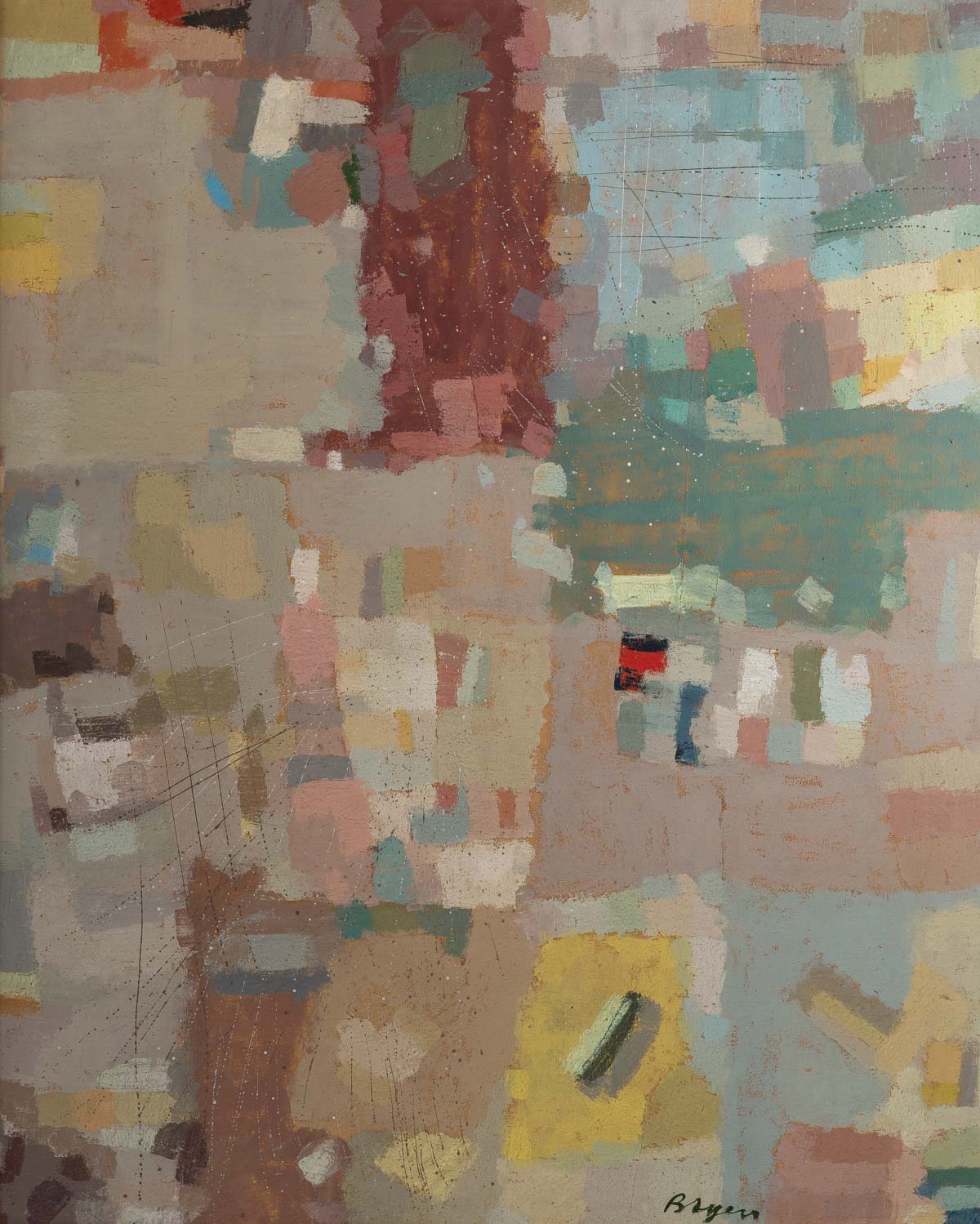
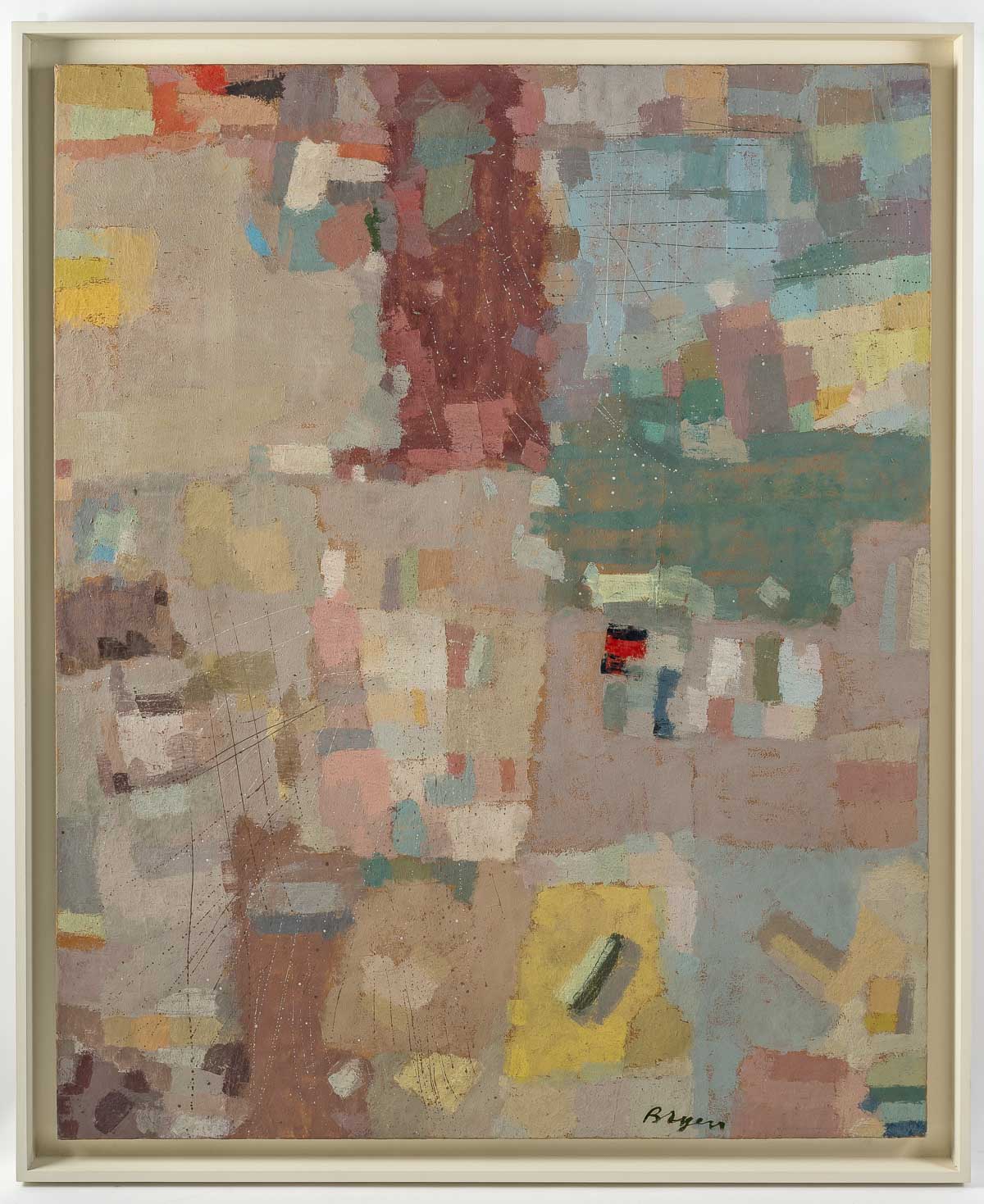
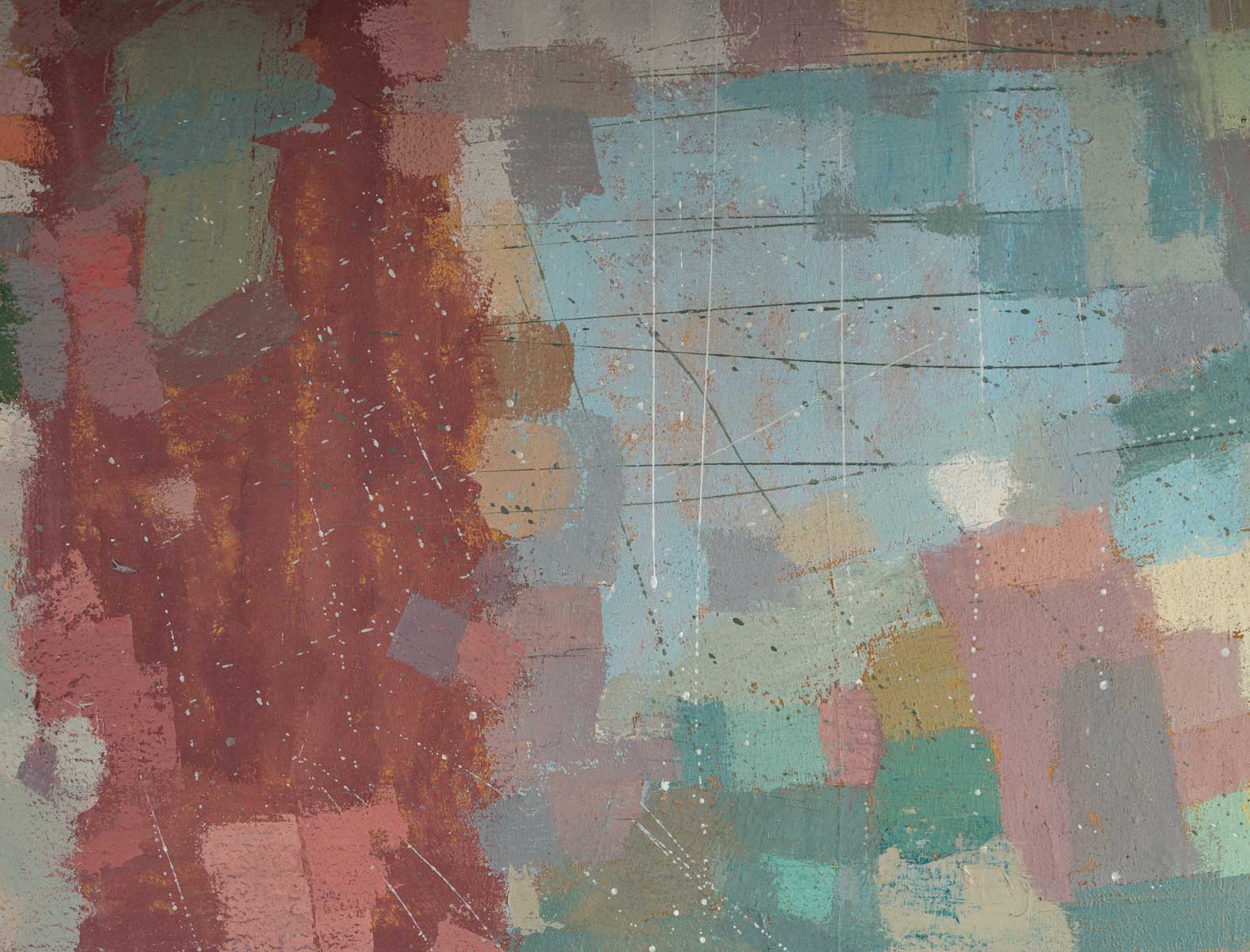
Composition, 1972
Oil on canvas
Signed lower right
dated May 1972 and numbered 703 on the back.
Dimensions: 100 x 81 cm
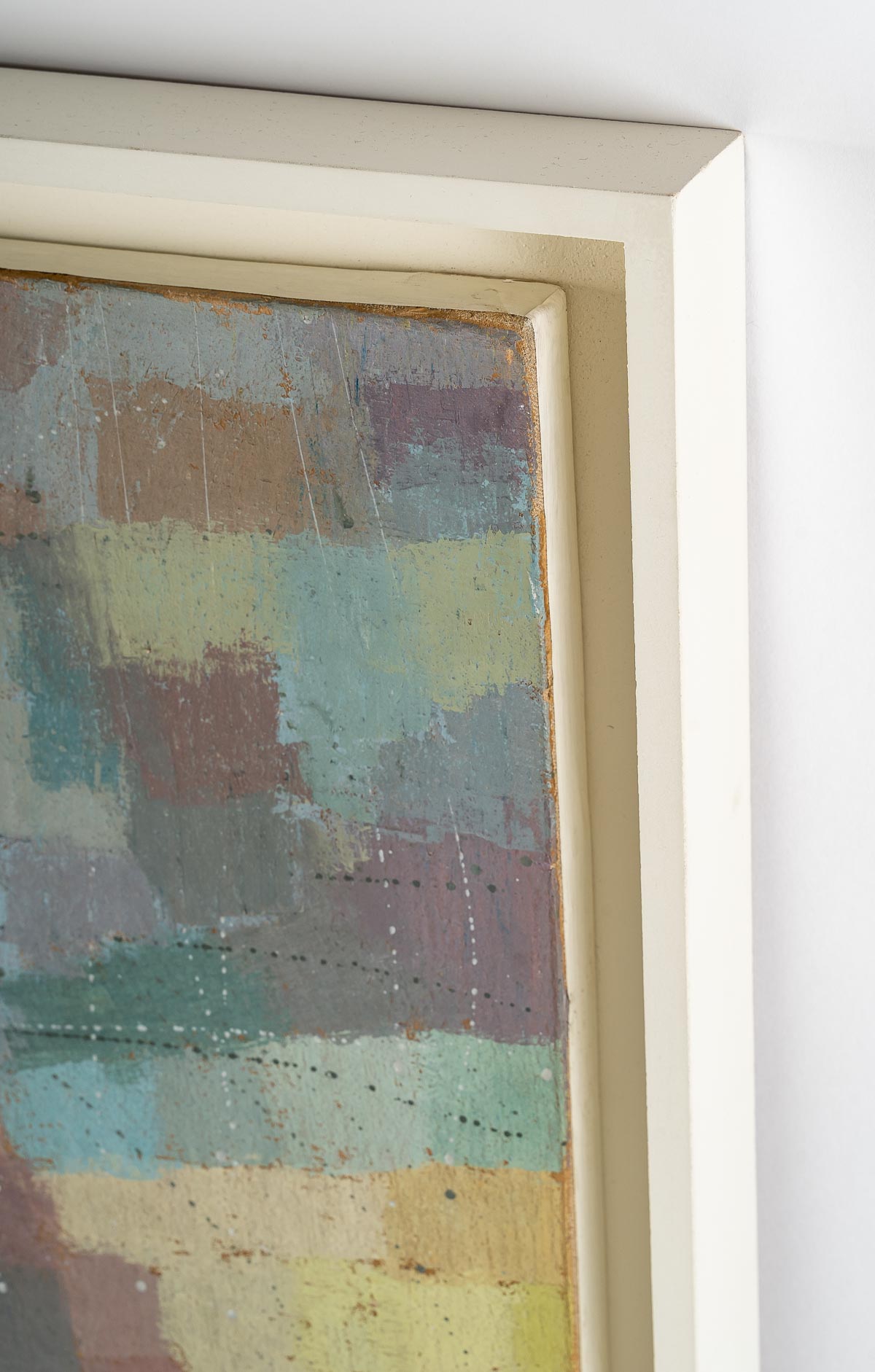
With frame: 107 x 88 cm
Provenance: Private collection: Private collection.
Bibliography: Catalogue raisonné-Jacqueline Boutet-Loyer (N°703 reproduced )
Exhibitions: Paris 1973, Galerie de Seine
Price: 35 000 Euros
Camille Bryen is a poet, a poet of signs, words and color. He was one of the initiators of lyrical abstraction. Called the “father of tachism”, he wanted to dissolve form in favor of non-form.
A poet associated with the Dadaist movement, it was only after the war that he gave free rein to his graphic activity.
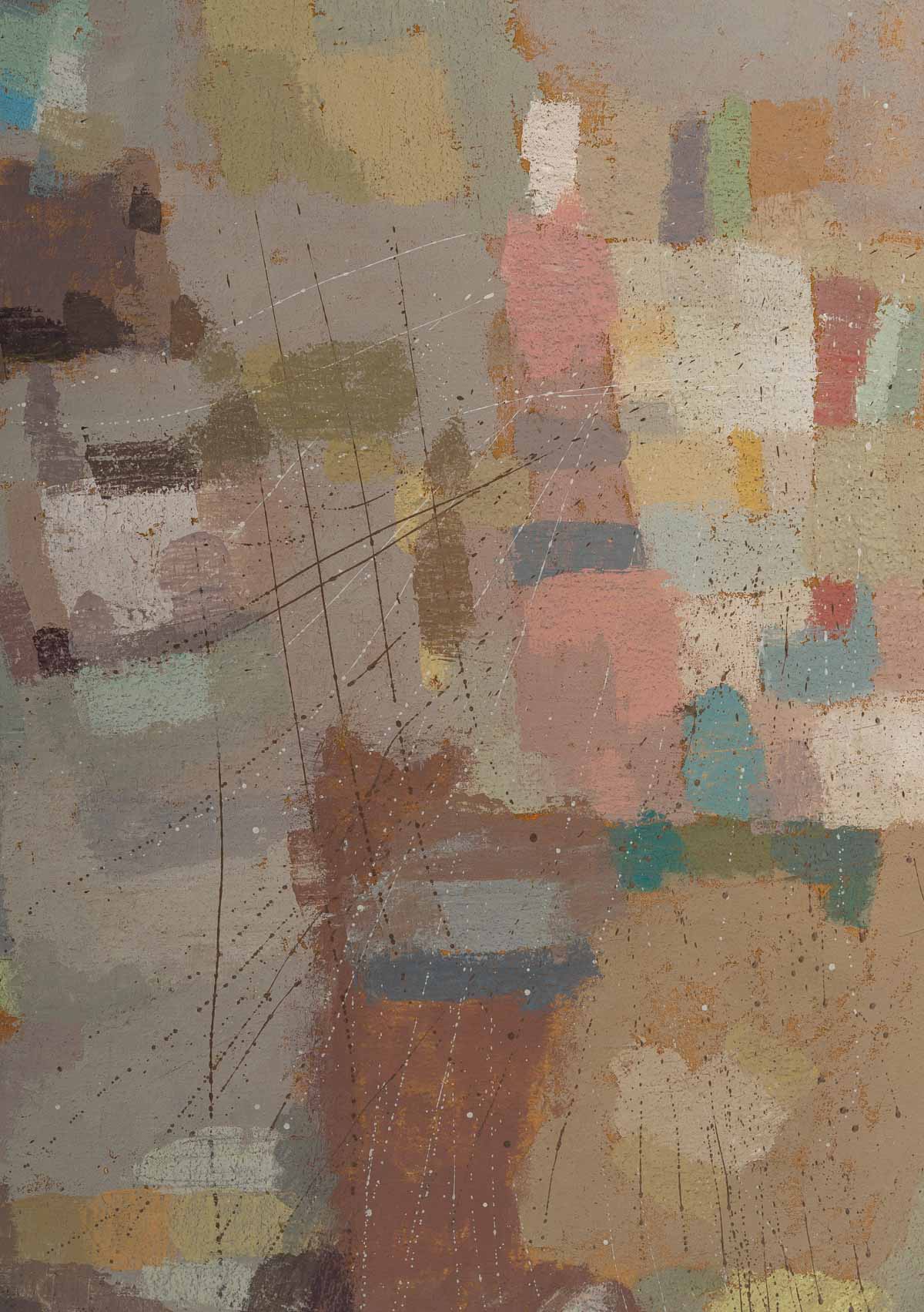
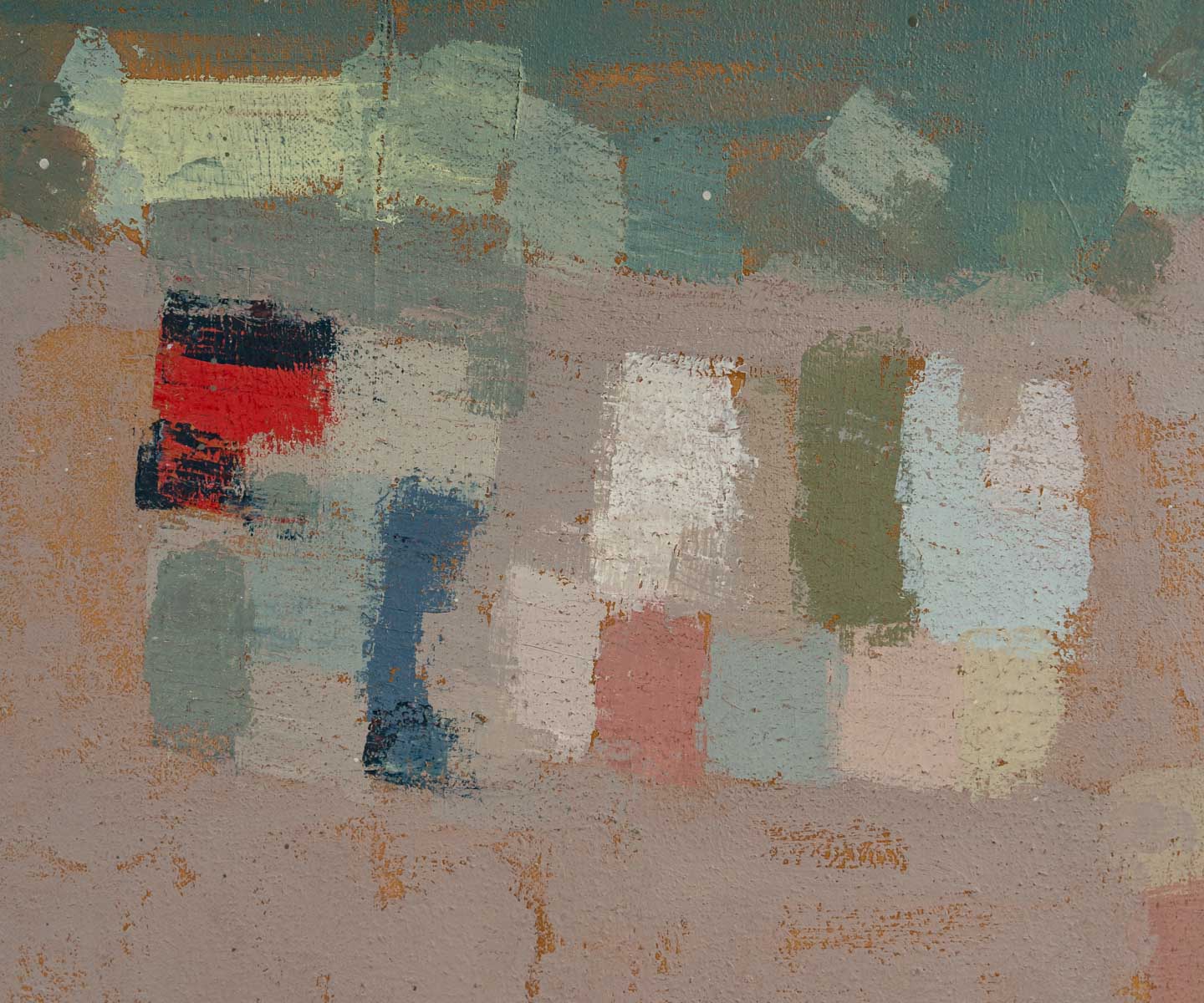
At first, his painting is violent in color, but from the 60s onwards, his language becomes more subtle. Pale, muted colors are applied in discreet strokes, mosaics of luminous, colorful touches whose balance is broken by the projection of fragmented lines.
There’s a contradiction between his pictorial work – suave, delicate, measured abstraction – and his protest intentions and statements.
In 1926, he came to Paris, and it is said that André Breton, returning from a Surrealist congress, brought him back in his luggage. It was as a poet that he became part of the Surrealist group and the initiated circles of Saint Germain des Prés and Montparnasse. He met Wols and played an active part in the discovery of automatic expression. It attempts to achieve an autonomous language that is no longer controlled through rational thought, but through the psyche, with a desire, like the Dada movement, to wipe the slate clean of all ideological or psychological constraints. aesthetics. He exhibited at the Salon des Surindépendants from 35 to 38. In 1947, he and Matthieu organized exhibitions featuring Arp, Atlan, Hartung, Wols, Picabia…
He exhibited at the Salons des Réalités Nouvelles and then regularly at the Salon de Mai.
Four one-man shows were held in Paris from 1952 to 1956, followed by Milan and Vienna.
Major retrospectives of his work were held at the Musée du Havre in 1972, at the Musée d’Art Moderne in Paris in 1973, and finally in 1997 at the Musée de Nantes, his birthplace.
It is present at all major events in France and abroad.
Museums:
• In Paris :
-National Museum of Modern Art;
-Center Pompidou,
-contemporary museum Vitry sur Seine.
– In France:
Nantes, Le Havre, Lyon, Dunkerque, Dijon, Grenoble, Rouen, Lille, Marseille, Rennes, Saint Etienne, Strasbourg, Toulouse, Tourcoing, Tournus…
-Internationally:
New York( Mus.of Mod.Art), Oslo(Nasjonasgal), Rome (Gal. Nat. d’art Mod.), Jerusalem, Locarno, Basel, Lisbon(Fond.Gubelkian), Basel (Kunst mus.), Skopje, Wiesbaden.

